Check drying methods before washing
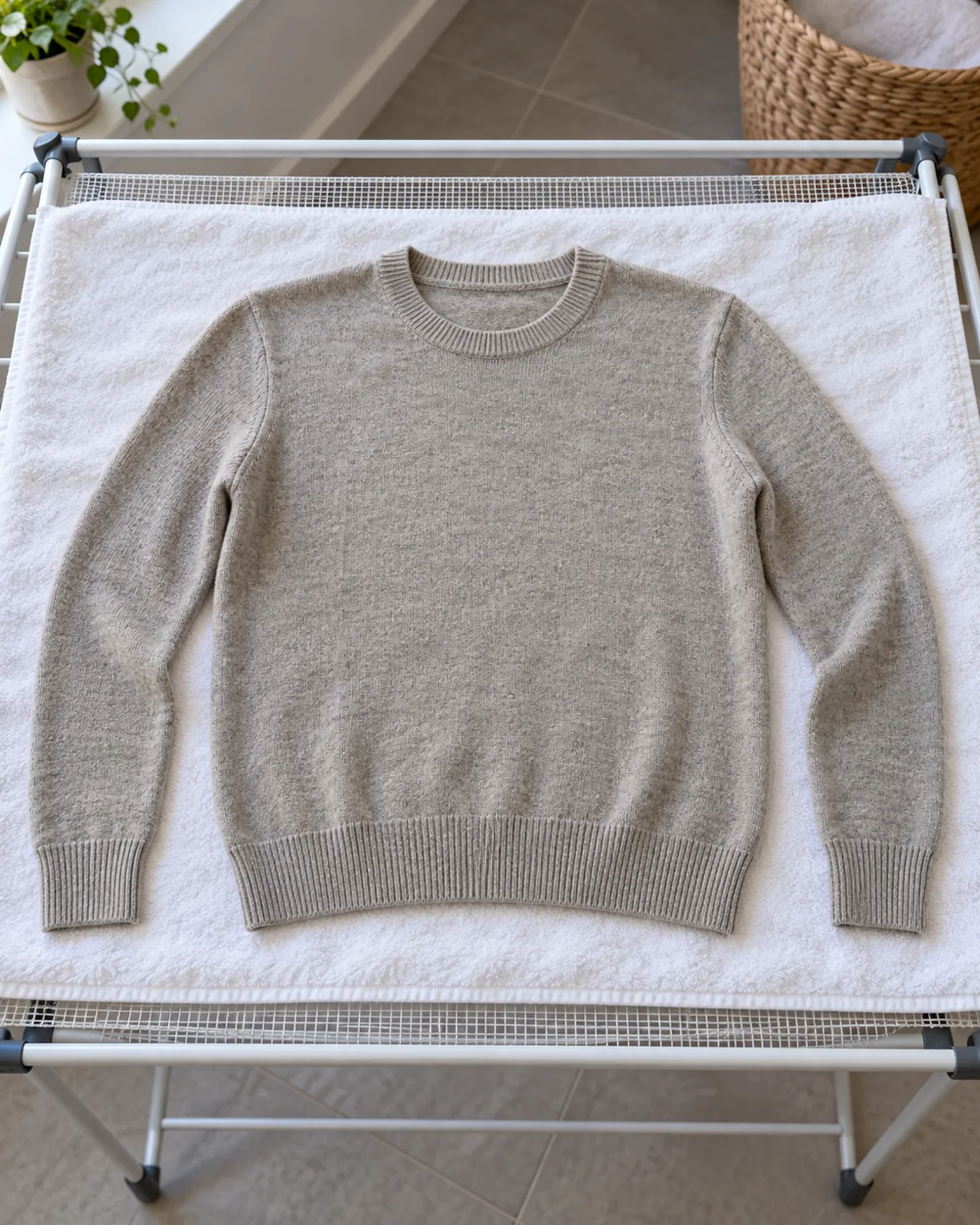
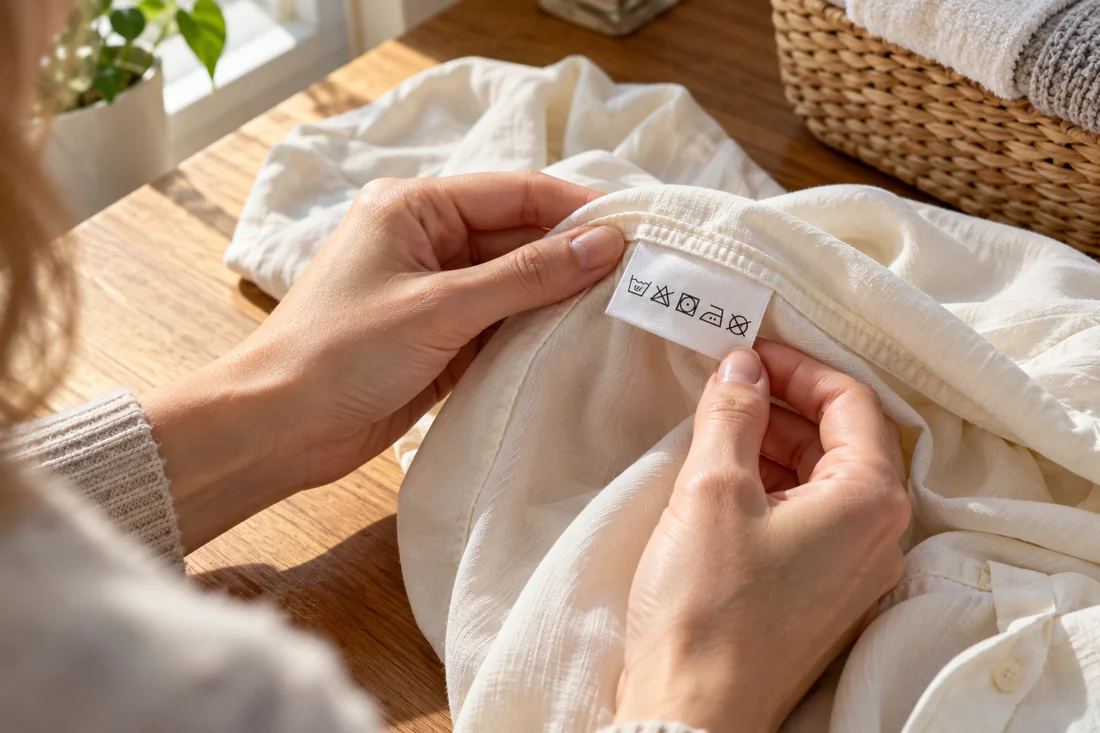
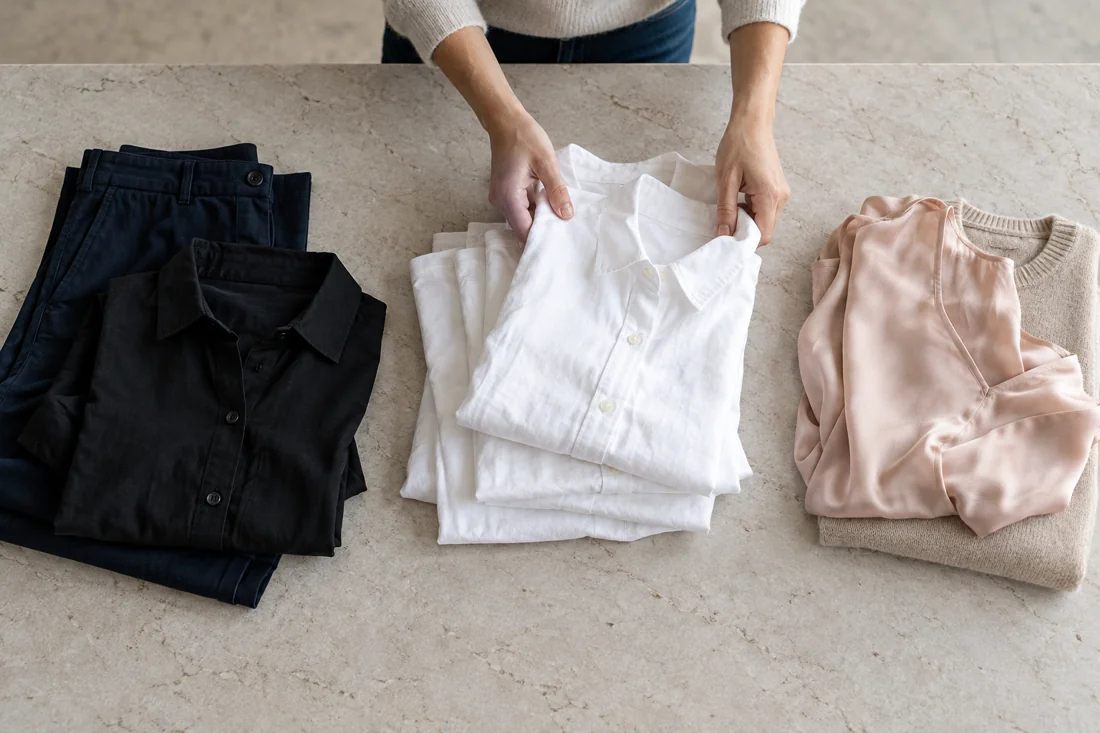
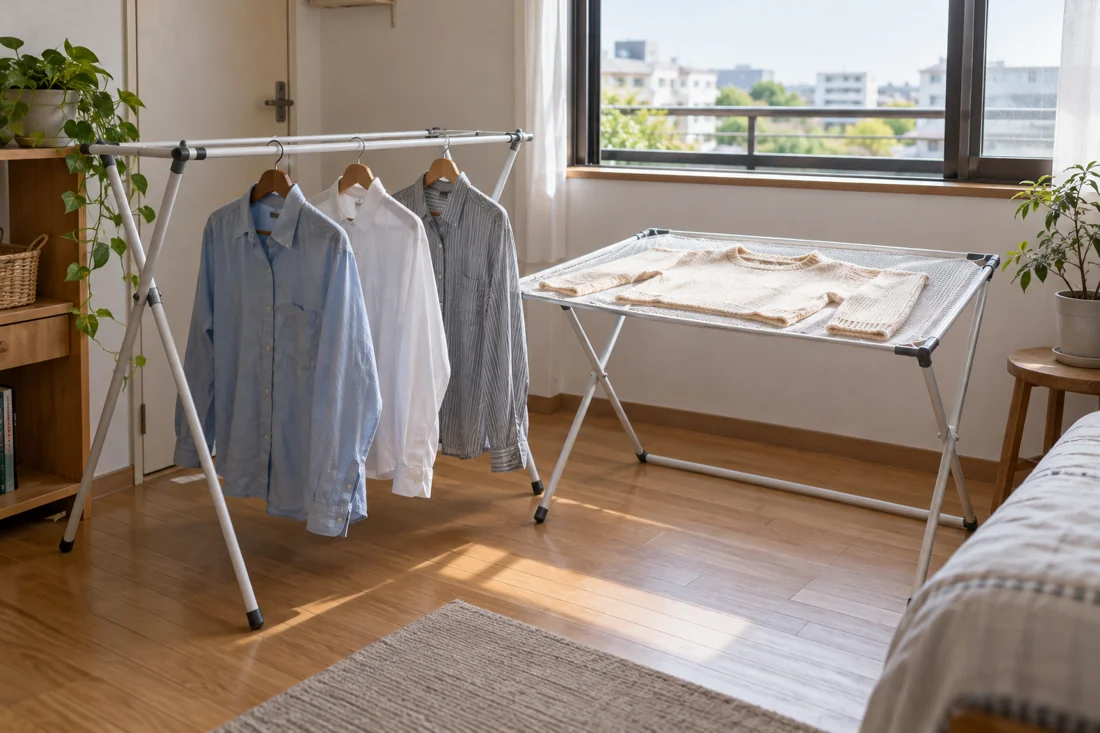
Sort the planned load by how it needs to dry. Some items can hang, while others need a flat surface. One jumper may occupy more usable space than its size in the laundry basket suggests. Read the care instructions and reserve the right area before starting the machine.
Open the rack fully as a trial. Open the doors you will need and walk your normal route through the room. If you repeatedly have to squeeze sideways past the washing, another position or a smaller load may be more suitable. Do not assume every other activity will stop until the clothes dry.
Give garments space
Lay or hang items according to their instructions without making thick overlapping bundles. Closely spaced parallel surfaces can be awkward to reach when you later need to move or remove one piece. Leave room for larger garments first and add smaller ones afterwards.
Protect vulnerable surfaces beneath damp clothing. A towel alone does not automatically make an unsuitable piece of furniture resistant to moisture. Use an appropriate support and check for drips or moisture collecting in one place. Keep electrical equipment and connections away from the area.
Keep the room usable
Provide ventilation appropriate to the home and avoid compressing washing into a closed, narrow recess. Observe relevant instructions for the room and building equipment. The drying setup should not block access to a window precisely when you want to open it.
Plan removal as well. Fully dry items can free space for the next group, while damp cuffs or thick seams still need time. Do not put washing into the wardrobe merely because you want to fold the rack away for the evening. Smaller loads at different times may be easier to organise in limited space than one large wash without enough drying room.
Find an arrangement you can repeat
Remember which area accommodates your most frequent garments. A photograph of the empty setup or a short note about the order can help. The solution does not need to remain permanently in the room; it should be easy to set up without inventing a new arrangement each time.
If one garment regularly occupies the whole space, include that care requirement in how you use it and in future buying decisions. The question is whether the care needs of the selected clothes fit the space you have, rather than whether a home is large enough for fashion.