Begin with a piece you already intend to wear
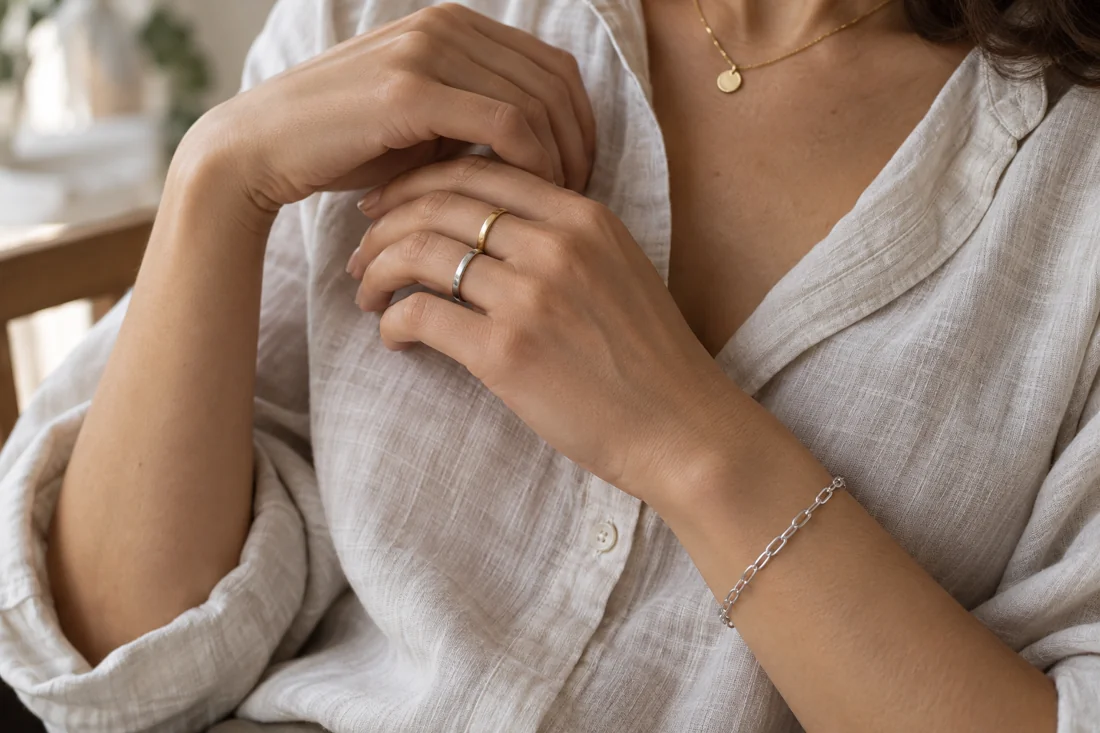
Choose the item you would wear that day anyway, perhaps a watch or a ring. Add a second piece in the other colour and look at both with the clothing. A small silver-coloured ring has a different presence beside a gold-coloured watch from a broad, shiny bracelet.
For a quieter connection, similar finishes can help: two matt pieces or two finely worked shapes. An item containing both colours is another option, but it is not a necessary purchase. Simple forms or repeated detail sizes can create a connection just as well. The pieces do not have to come from a matching set.
Look beyond your neck and hands
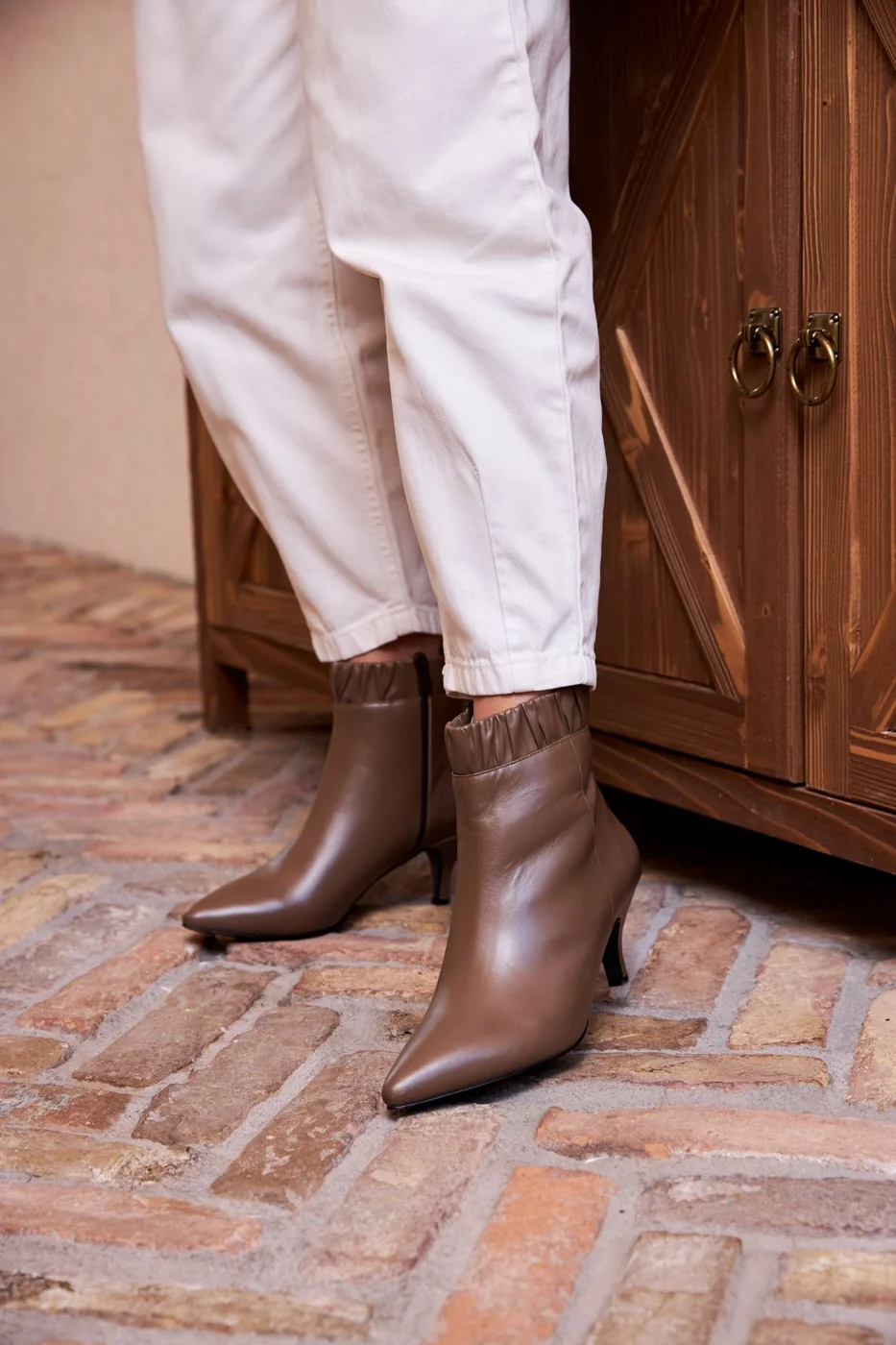
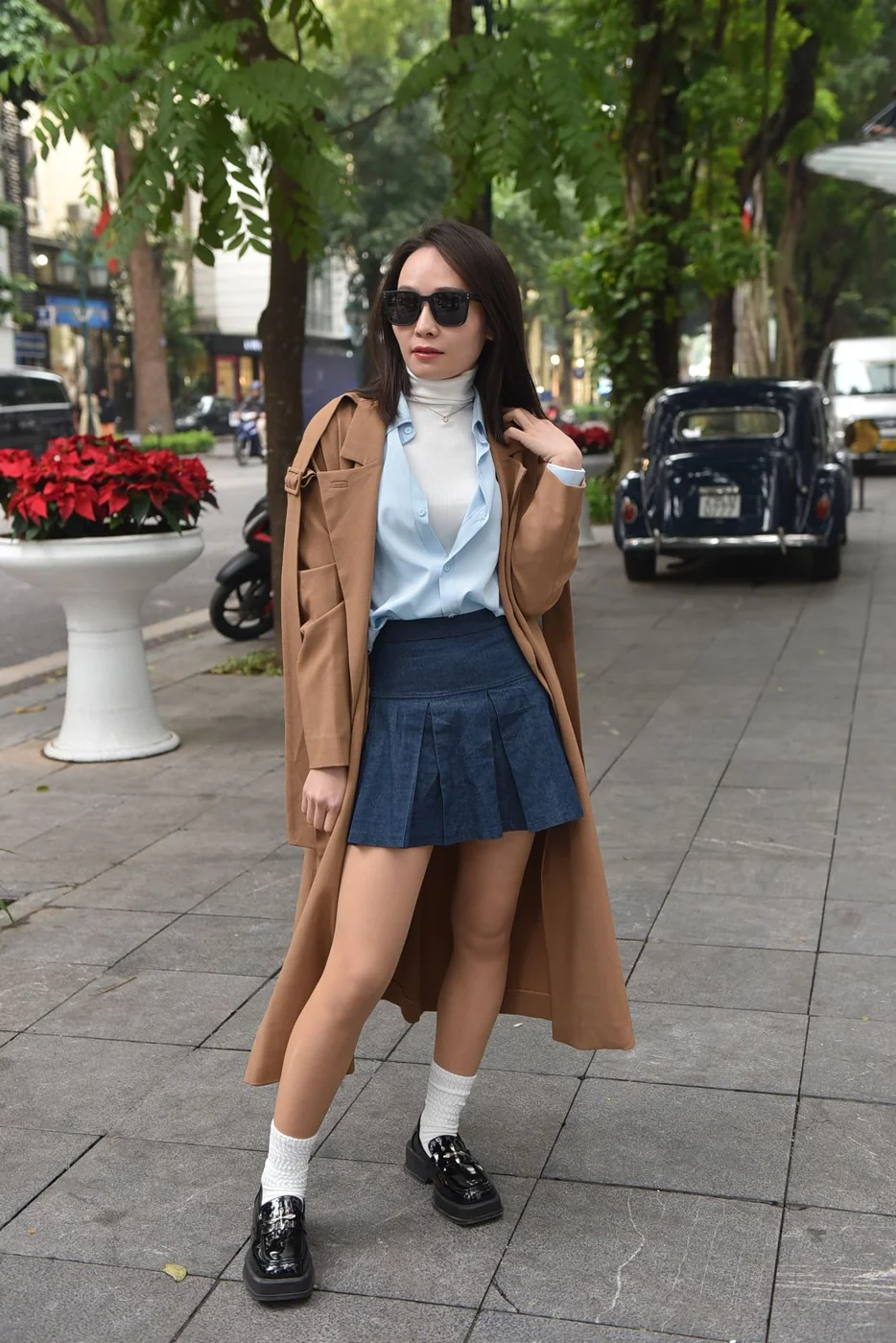
Put on the belt and pick up the bag. A large bag fastening may be more noticeable in the overall outfit than a small earring. Include a jacket with visible press studs or a zip in the comparison. Not every functional metal part needs to be treated as deliberate jewellery, although prominent hardware can affect the arrangement.
View the result from a little distance. Close-up photographs can exaggerate tiny differences. If the metal colours barely register in the full outfit, there is no reason to leave out a useful everyday item solely because of its colour. If you want to emphasise the contrast, choose two clearly visible pieces and let other details remain quieter.
Change one thing for a useful comparison
Avoid trying different earrings, a different belt and another bag all at once. Swap one piece first and see whether you prefer the result. You can then identify which change made the difference rather than crediting the whole new group of accessories.
Also notice whether hard pieces rub together or make an irritating noise. An attractive combination is not automatically comfortable at the wrist. Afterwards, store delicate pieces according to their material and manufacturer instructions. Sharing a colour does not mean sharing a care method, just as having different colours does not prevent two accessories from being worn together.